
Steel office furniture has become the backbone of modern commercial spaces due to its durability, fire resistance, and cost-effectiveness. Understanding the core manufacturing processes helps buyers distinguish high-quality products from low-grade alternatives.
The first critical process is raw material selection. Premium cold-rolled steel (usually between 0.5mm to 1.2mm thickness) ensures structural strength and rust resistance. Inferior products often use hot-rolled or thinner steel that bends easily.
Next comes precision fabrication. Advanced CNC punching machines, automatic bending equipment, and laser cutters ensure accurate dimensions and smooth edges. Poorly made furniture often has sharp burrs, misaligned holes, or uneven frames – signs of outdated machinery.
Surface treatment is arguably the most important quality indicator. High-end manufacturers use electrostatic powder coating, where dry paint is electrostatically applied and then baked at around 200°C. This creates a scratch-resistant, rust-proof, and uniform finish. Low-cost products may use wet spray painting, which peels off within months.
Welding quality also matters. Robotic welding arms produce clean, consistent seams without spatter. Hand welding often leaves rough spots that weaken the structure and look unprofessional.
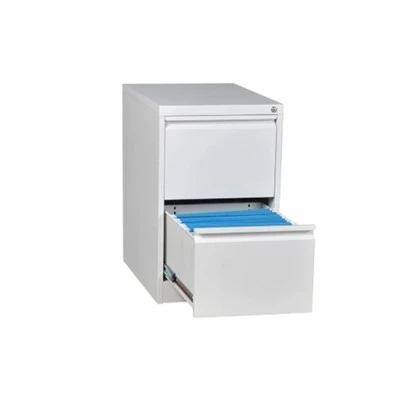
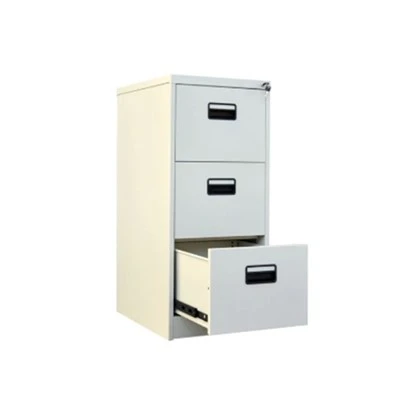
Finally, check hardware components like locks, hinges, and handles. Grade-A furniture uses zinc-alloy locks with anti-rust treatment and smooth rotation. Drawer slides should be ball-bearing type for heavy loads, not cheap roller slides.
For buyers, always request sample testing – push, pull, and load each unit. A high-quality steel cabinet should hold at least 50kg per shelf without deformation. Investing in good manufacturing saves replacement costs and customer complaints in the long run.