
Choosing the right steel office furniture goes beyond price and appearance –application environment dictates material thickness, design features, and safety requirements. Here's a practical guide for different scenarios.
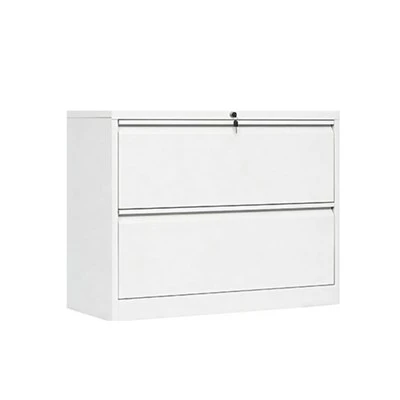
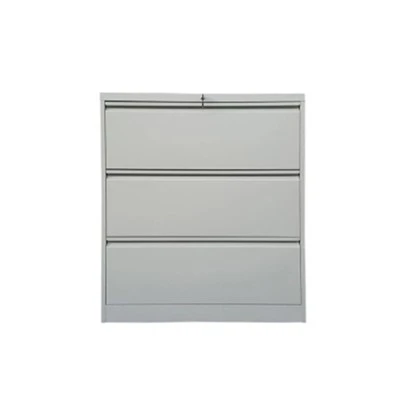
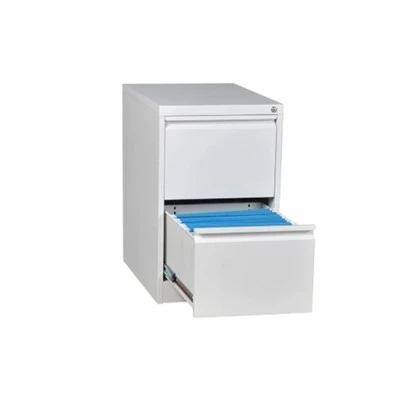
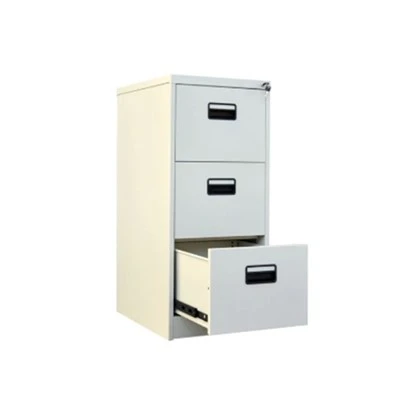
Corporate offices require a balance between aesthetics and function. Filing cabinets should have anti-tip mechanisms and smooth ball-bearing slides. Desks need grommets for cable management and optional wood grain finishes. For general storage, lockers with ventilation louvers work well for employee belongings. Typical steel thickness: 0.6–0.8mm.
Educational institutions (schools, universities, libraries) demand extreme durability. Student lockers must withstand daily slamming –choose double-wall doors and reinforced hinges. Library shelving needs adjustable levels and anti-topple brackets. Colors can match school identity, but always request scratch-resistant powder coating. Thickness: 0.8–1.0mm. Also consider tamper-proof locks and rounded corners for student safety.
Warehouses and industrial facilities prioritize load capacity over appearance. Heavy-duty shelving units should support 150–300kg per level, made from 1.0–1.5mm steel. Tool cabinets need drawer dividers and central locking systems. Mobile racking systems save space but require high-precision casters. Rust resistance is critical in humid or chemical environments –upgrade to galvanized or zinc-coated steel if needed.
Healthcare environments (hospitals, clinics) require easy cleaning and infection control. Seamless construction without crevices prevents bacterial growth. Anti-rust and chemical-resistant finishes allow frequent disinfection. Storage units for medical supplies should have transparent label holders and optional locks.Government and public buildings need high security. Filing cabinets for confidential documents should meet fireproof standards (e.g., 1-hour fire rating). Lockers for police stations or courthouses require heavy-duty 1.0mm steel and pick-resistant locks.
Retail stores use steel shelving for display and backroom storage. Open designs with adjustable shelf heights work best. Color finishes can match brand identity.
In summary, define your environment first –then choose steel thickness, coating type, and safety features. A warehouse using office-grade furniture will face early failure, while offices using industrial-grade furniture waste money on unnecessary heaviness. Match the product to the application for optimal ROI.