


Steel cabinets are bulky, heavy, and awkward to handle. From the factory floor to an overseas warehouse, they must survive bumpy road transport, repeated lifting and repositioning, long container loading and unloading cycles, and humid sea voyages. Yet the most serious risk is not always visible damage. Missing parts-such as shelves, screws, or keys-can be even more costly, because a single missing component can halt the entire installation process and delay final delivery to the customer. To eliminate this risk, we apply a systematic export packaging process built around three core controls.
1.Inner Packaging: Every Inch Is a Buffer Zone
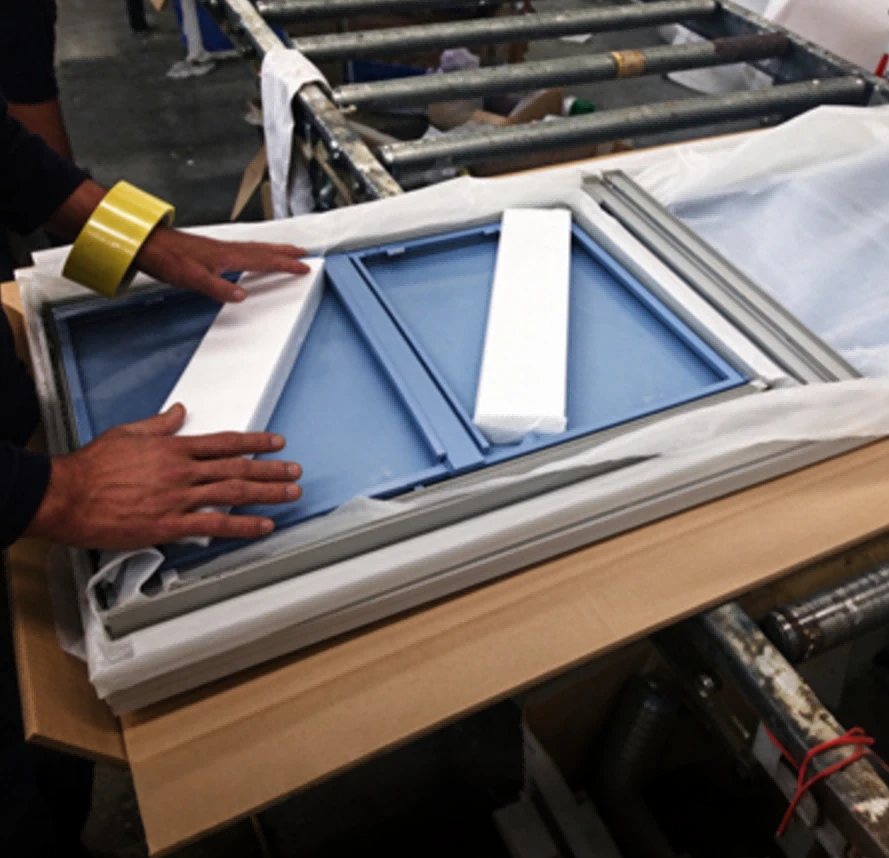
For inner protection, our export packaging uses high-density EPE foam and custom-made corner guards to wrap all edges 360°, absorbing hard impacts during handling and transport. PE film combined with bubble wrap or EPE sheets creates a second buffer layer, protecting painted surfaces and fragile corners from scratches, friction, and moisture. Foam blocks or cardboard cards secure drawers, shelves, and doors in place, preventing movement and collision inside the cabinet. Keys and screws are packed separately in zip-lock bags and fixed inside the cabinet or carton, so they cannot be lost during unpacking or repacking. Every accessory has a designated position, and every inch of the package is designed to work as a buffer zone.
2. Weight Detection: Digital Quality Control
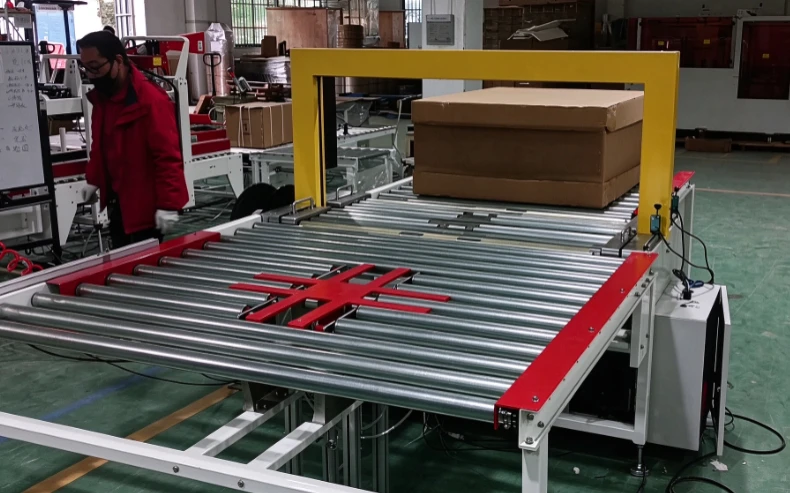
Each packing station is equipped with a high-precision weighing system. After a cabinet is fully packed, the system automatically compares its actual weight against the standard weight, which includes all large accessories. If the deviation exceeds a very small margin-only ±0.5 kg-the machine alarms instantly, forcing the operator to stop and recheck the package. This "electronic gatekeeper" makes missing shelves, rods, or other major components almost impossible to overlook before shipping. It also creates a reliable digital record of quality control, adding another layer of accountability to the packing process.
3. The "10-Unit Packing Method": Group Verification
We also pack parts in groups of ten. For every ten cabinets, all accessories-shelves, screws, keys, and other small parts-are laid out in exact matching quantities before packing begins. After the tenth unit is packed, operators check the remaining parts. If anything is left over or missing, the batch is flagged immediately, and the issue is investigated before the shipment proceeds. This group-based verification method turns accessory counting into a visible, repeatable, and highly reliable process, reducing the risk of human error and ensuring that each cabinet receives exactly the parts it needs.
The real challenge in export packaging is not designing these methods-it is sticking to them day after day, order after order. From digital weight checks to the 10-unit packing method and container reinforcement, we never cut corners. Every procedure is followed consistently, every anomaly is checked, and every shipment is treated as if it were the first. That is how we ensure zero missing parts and zero damage in every export packaging shipment.


